

Overview
Implantable Collamer Lens (ICL) surgery is a procedure designed to correct refractive errors, allowing you to see clearly without glasses or contact lenses. This surgery involves placing a Collamer® lens between your iris and your natural lens. It is an option for those who may not qualify for LASIK surgery. Understanding what ICL surgery entails, its benefits, potential risks, and how to care for your eyes before and after the procedure is crucial for achieving the best outcomes.
What is ICL Surgery?
ICL surgery is a vision correction procedure that involves implanting a Collamer® lens into your eye. This lens is made from a combination of plastic and collagen, providing a natural and flexible alternative to traditional corrective lenses. The surgery can effectively treat nearsightedness (myopia) and astigmatism.
Procedure Details
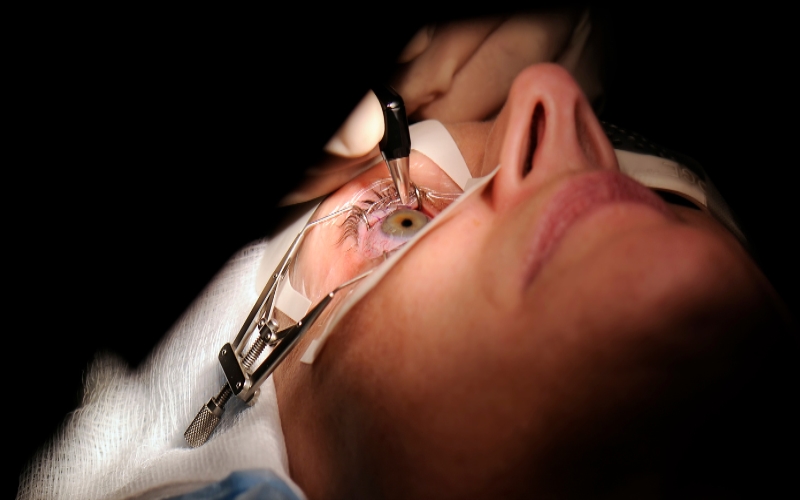
During ICL surgery, your surgeon will make a small incision at the base of your cornea. The Collamer lens is then folded and inserted through this incision, positioned behind your iris and in front of your natural lens. The surgery typically takes less than 30 minutes for both eyes, and you won’t need stitches since the incision heals on its own.
EVO Implantable Collamer Lens
The latest advancement in ICL technology is the EVO ICL. And what does EVO stand for?
It means “evolution in visual freedom”. It consists of making a tiny hole in the center of the lens that eliminates the need for a pre-surgery laser iridotomy, as it allows natural fluid flow within the eye, reducing the risk of increased intraocular pressure.
Preparing for ICL Surgery
Proper preparation is essential for a successful ICL surgery. Here’s what you need to know:
Eligibility Criteria
To be a suitable candidate for ICL surgery, you should:
- Have a stable prescription for at least one year.
- Be between 22 and 45 years old.
- Meet specific criteria regarding the shape of your eye, anterior chamber angle, and corneal cell thickness.
Pre-Surgery Evaluation
Your eye care specialist will conduct a thorough eye exam, take your medical history, and review any medications you are taking. This evaluation ensures that you are a good candidate for the procedure.
Pre-Surgery Instructions
Your provider will give you specific instructions on how to prepare for the surgery. This may include:
- Stopping certain medications.
- Avoid eating or drinking before the surgery.
- Arrange for a friend or family member to drive you to and from the procedure.
Day of the Surgery
On the day of the surgery, your surgeon will dilate and numb your eyes with medicated drops. A mild sedative may be provided to help you stay calm and relaxed during the procedure.
What to Expect During ICL Surgery
ICL surgery is relatively quick and straightforward. Here’s a step-by-step overview:
During the Surgery
- Incision: A small incision is made at the base of your cornea.
- Insertion: The Collamer lens is folded and inserted through the incision.
- Positioning: The lens is positioned behind your iris and in front of your natural lens.
- Final Adjustments: The surgeon ensures the lens is correctly placed.
Duration
The entire procedure typically takes less than 30 minutes for both eyes. Most patients have both eyes treated during the same session.
After the Surgery
After the procedure, you will receive instructions on how to care for your eyes. You’ll be given eye drops to prevent infection and aid in healing. Your vision may improve within 24 hours and continue to enhance over the next few days.
Post-Surgery Care
Proper post-surgery care is vital for a smooth recovery and optimal results. Here’s how to take care of your eyes after ICL surgery:
Immediate Aftercare
- Rest: Plan to rest for the remainder of the day after your surgery.
- Eye Drops: Use the prescribed eye drops as directed to keep your eyes clean and prevent infection.
- Avoid Touching Your Eyes: Refrain from rubbing or touching your eyes to prevent irritation and infection.
Follow-Up Appointments
Your surgeon will schedule several follow-up appointments to monitor your recovery. These typically occur:
- The day after surgery.
- One week after surgery.
- Three months after surgery.
- As recommended by your provider.
Long-Term Care
- Protect Your Eyes: Wear sunglasses to protect your eyes from bright light and UV rays.
- Avoid Strenuous Activities: Steer clear of heavy lifting, swimming, and other strenuous activities for a few weeks.
- Healthy Lifestyle: Maintain a healthy diet and stay hydrated to support overall eye health.
Benefits of ICL Surgery
ICL surgery offers numerous benefits for those looking to correct their vision without glasses or contact lenses:
Improved Vision
Most patients experience significant improvement in their vision immediately after surgery, with continued enhancement over the following days.
Long-Lasting Results
The effects of ICL surgery are typically long-lasting, providing clear vision for many years.
Reversible Procedure
If necessary, the implanted lens can be removed or replaced without causing permanent damage to your eye.
Reduced Risk of Dry Eye
Unlike some other vision correction procedures, ICL surgery carries a lower risk of dry eye.
Enhanced Night Vision
Patients often report better night vision after ICL surgery compared to other corrective procedures.
Risks and Complications
As with any surgical procedure, ICL surgery carries potential risks and complications. It’s important to be aware of these before deciding to undergo the procedure.
Common Risks
- Infection: As with any surgery, there is a risk of infection.
- Inflammation: Inflammation inside the eye can occur but is usually manageable with medication.
- Increased Eye Pressure: Some patients may experience increased eye pressure, which typically resolves on its own.
Rare Complications
- Halos or Glare: Some patients may see halos or glare around lights.
- Light Sensitivity: Increased sensitivity to light can occur but usually improves over time.
- Lens Removal: In rare cases, the lens may need to be removed due to changes in prescription or the development of cataracts.
Responsive Web Designs and Vision Care
Just as responsive web design ensures optimal viewing experiences across various devices, proper eye care ensures optimal vision. Both require attention to detail and regular updates to maintain performance.
Importance of Regular Eye Checkups
Regular eye exams are crucial for maintaining good vision health. They help detect potential issues early and ensure your corrective lenses are up-to-date.
Staying Informed
Stay informed about advancements in vision correction procedures and technologies. This knowledge can help you make better decisions about your eye health.
When to Contact Your Doctor
Knowing when to contact your healthcare provider is essential for addressing any post-surgery concerns promptly.
Signs to Watch For
- Excessive Pain: Severe pain that doesn’t improve with medication.
- Excessive Bleeding: Any significant bleeding from the surgical site.
- Signs of Infection: Discharge from the eye or developing a fever.
- Sudden Vision Loss: Any sudden or severe loss of vision.
Regular Communication
Maintain regular communication with your eye care provider and don’t hesitate to reach out with any questions or concerns.
Conclusion
ICL surgery is a safe and effective option for those looking to correct refractive errors and achieve clear vision without the need for glasses or contact lenses. By understanding the procedure, preparing adequately, and following post-surgery care instructions, you can ensure the best possible outcomes. Always consult with your eye care specialist to determine if ICL surgery is right for you and to receive personalized care tailored to your needs.
