

Social Media’s Effect on Voter Behavior
Social media has profoundly transformed voter behavior by shaping perceptions and influencing electoral outcomes in unprecedented ways. Social networking sites enable the quick spread of information, enabling political campaigns to tailor messages and advertisements to specific demographics. This digital landscape will allow voters to engage with candidates and issues directly, but it also exposes them to misinformation and echo chambers that can skew their perceptions. Social media’s capacity to amplify genuine discourse and divisive rhetoric has made it a powerful tool in swaying public opinion, ultimately impacting voter turnout and preferences in the 2024 presidential election. As a result, understanding the nuances of social media’s influence is crucial for both political strategists and voters aiming to navigate the complexities of modern elections.
Cybersecurity: Safeguarding the Election Process
Cybersecurity is a significant concern for ensuring the integrity of the election process. Measures such as multi-factor authentication and blockchain technology are considered to prevent cyber attacks and maintain voter confidence. Public and private partnerships are essential for developing robust security protocols. It is crucial to ensure the security of the hardware and software components of the election process. For example, end-to-end encryption for online voting and regularly updating systems to fix vulnerabilities can be effective. Election workers can also strengthen their defenses against internal and external threats by participating in educational programs to recognize and manage potential cyber dangers.
Data Analytics and Predictive Modeling in Campaign Strategies
In today’s political landscape, campaigns heavily rely on data analytics to tailor their messages to specific voter demographics. Predictive modeling helps identify swing voters and allocate resources more efficiently, making data a vital component of modern political strategies.
By analyzing voter preferences, behavior, and historical voting patterns, campaigns can develop targeted outreach programs that are much more effective than traditional methods. This analytical approach optimizes resource allocation and enhances the personal touch in voter engagement efforts. For example, data analytics can reveal which issues are most important to specific demographic groups, allowing campaigns to customize their messaging and engagement strategies to resonate more deeply with voters. In turn, this increases the likelihood of voter turnout and support.
Data analytics also allow for the constant monitoring and adjustment of campaign strategies. By keeping track of real-time data, campaigns can quickly pivot their messaging or focus resources where they are needed most. This dynamic approach enables a more responsive and adaptive campaign strategy, which is crucial in the fast-paced environment of a presidential election.
Combating Fake News and Misinformation
Fake news and misinformation have become significant challenges, especially during election seasons. To combat false information, proactive measures such as AI-driven fact-checking tools and public awareness campaigns are being employed.
These initiatives aim to equip the public with the skills needed to discern between reliable and unreliable sources of information. Additionally, cooperation between tech companies and government agencies is critical for developing comprehensive strategies to address this issue. Social media platforms have started incorporating fact-checking labels and limiting the spread of false information. Still, these measures must be bolstered with public education campaigns promoting critical thinking and media literacy.
Individuals can play a part by being vigilant and questioning their news sources. Employing tools such as reverse image searches or browser extensions that verify the credibility of websites can help people avoid spreading misinformation. Collectively, these efforts contribute to a more informed and engaged electorate, which is essential for the democratic process.
Technology-Driven Voter Engagement Initiatives
Innovative technology-driven initiatives are being used to engage voters. Mobile apps, text messaging, and interactive websites offer new ways to inform and mobilize the electorate, making political participation more accessible. These platforms make it easier for voters to find polling locations, register to vote, and stay updated on candidate positions.
Additionally, research is being done on augmented reality (AR) and virtual reality (VR) technology to provide interactive experiences that appeal to younger voters. These cutting-edge technologies could provide immersive experiences that make political participation more compelling. Virtual town halls offer a more engaging and fuller experience than traditional forms by allowing voters to engage with candidates in a simulated setting. These tech-driven initiatives could increase participation among younger demographics that are more accustomed to digital interaction.
The Benefits and Drawbacks of Electronic Voting
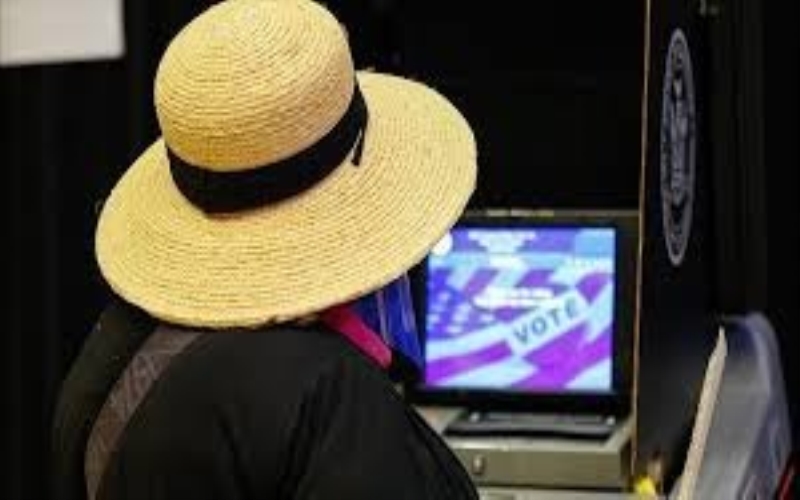
Electronic voting systems present both opportunities and challenges. While they promise efficiency and convenience, concerns over security and accessibility remain. These systems require robust security protocols to prevent tampering and ensure voter confidence.
On the positive side, e-voting can reduce the time required to count votes, potentially increasing voter turnout by making the process quicker and easier. However, extensive testing and validation are necessary to ensure these systems are foolproof against hacking and other forms of interference. Disenfranchisement may result from unequal access to digital devices and the internet among different demographics, which is another problem with accessibility. Therefore, combining traditional and electronic methods, a hybrid system might offer a balanced solution.
Future Trends in Election Technology
As technology evolves, future elections will likely see even more innovative solutions. From AI assisting in voter registration to virtual reality enhancing debates, the future holds exciting possibilities for the electoral process.
Blockchain technology, for instance, promises to create transparent and tamper-proof voting systems. Meanwhile, AI advancements could help better understand voter behavior and preferences, enabling more effective campaign strategies. Another future trend could be the utilization of advanced biometrics for voter authentication, increasing security and reducing fraud. As these technologies advance, political elections will unavoidably change, becoming more secure, effective, and enjoyable for voters everywhere.
