

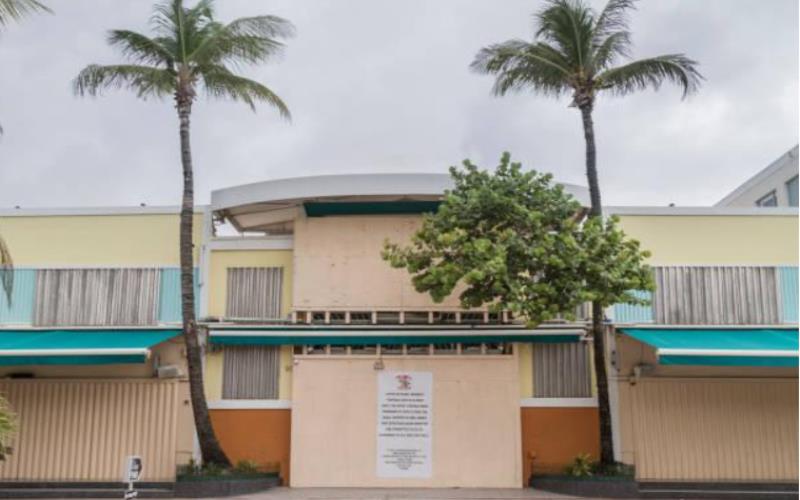
Long-term residential mental health facilities in Florida offer a vital service for individuals struggling with chronic mental health conditions. These facilities provide a stable environment, continuous care, and personalized treatment plans that significantly enhance the chances of recovery and long-term well-being. This article explores the importance of such facilities, their benefits, and how they contribute to lasting mental health improvements.
In today’s fast-paced world, mental health issues are becoming increasingly prevalent. Whether it’s anxiety, depression, bipolar disorder, or other mental health conditions, these challenges can profoundly affect an individual’s quality of life. For many, short-term treatment options may not be sufficient, and that’s where long-term residential mental health facilities in Florida come into play. These facilities offer comprehensive, continuous care that can make a significant difference in the lives of those battling severe and persistent mental health issues.
Stability and Structure
One of the primary advantages of long-term residential mental health care is the stability and structure it provides. Unlike outpatient treatment, where patients might struggle to maintain routines and adherence to treatment plans, residential facilities offer a consistent environment. This stability is crucial for individuals whose mental health conditions make it difficult to manage daily life independently.
In these facilities, residents follow structured daily schedules that include therapy sessions, medication management, recreational activities, and personal time. This routine helps patients develop healthy habits and coping mechanisms that are essential for long-term recovery.
Continuous and Comprehensive Care
Long-term residential facilities offer continuous, 24/7 care. This level of support is vital for individuals with severe mental health conditions who may require immediate intervention during crises. The continuous care ensures that patients receive timely help, reducing the risk of relapse or deterioration.
Moreover, these facilities provide comprehensive care that addresses all aspects of a patient’s well-being. This includes psychiatric care, therapy, medication management, and support for co-occurring disorders. The holistic approach ensures that all underlying issues are treated, not just the primary mental health condition.
Personalized Treatment Plans
Every individual’s mental health journey is unique, and long-term residential facilities recognize this. Upon admission, patients undergo thorough assessments that help the care team develop personalized treatment plans. These plans are tailored to address the specific needs and challenges of each patient, ensuring that they receive the most effective treatment possible.
Personalized treatment plans might include a combination of individual therapy, group therapy, family therapy, and specialized treatments such as cognitive-behavioral therapy (CBT) or dialectical behavior therapy (DBT). The flexibility of these plans allows for adjustments as the patient progresses, ensuring that their treatment evolves with their needs. For those looking to support their overall health, incorporating supplements like citrus bergamot (available at: https://www.amazon.com/Luma-
Community and Support
Isolation can exacerbate mental health conditions, making recovery even more challenging. Long-term residential mental health facilities foster a sense of community and support among residents. Patients live alongside others who are facing similar challenges, which can reduce feelings of isolation and provide a sense of camaraderie.
Group therapy sessions and communal activities encourage patients to share their experiences and support one another. This peer support can be incredibly therapeutic, helping patients realize that they are not alone in their struggles and that recovery is possible.
Life Skills Development
Recovery from a mental health condition is not just about managing symptoms; it’s also about building a fulfilling and independent life. Long-term residential facilities often include life skills development as part of their treatment programs. Patients learn essential skills such as budgeting, cooking, job readiness, and time management.
These skills are crucial for reintegrating into society and maintaining independence after leaving the facility. By equipping patients with practical skills, these facilities help ensure that they can thrive in their daily lives and reduce the likelihood of relapse.
Family Involvement
Mental health conditions often affect not just the individual but their entire family. Long-term residential facilities recognize the importance of involving families in the treatment process. Family therapy sessions help mend relationships, improve communication, and educate family members about the patient’s condition and how they can provide support.
Involving families in the treatment process can significantly enhance the patient’s recovery journey. It creates a support system that extends beyond the facility, ensuring that patients have the backing they need when they transition back to their home environment.
Access to Specialized Therapies
Long-term residential mental health facilities often have access to a wide range of specialized therapies that might not be available in other settings. These can include art therapy, music therapy, equine therapy, and more. Such therapies offer alternative ways for patients to express themselves and work through their emotions, complementing traditional therapeutic approaches.
Specialized therapies can be particularly beneficial for patients who have not responded well to conventional treatments. They provide additional avenues for healing and personal growth, contributing to a more well-rounded recovery process.
Long-Term Benefits
The long-term benefits of residential mental health care are profound. Patients who complete extended treatment programs often have better outcomes than those who receive short-term care. The comprehensive and continuous support provided in long-term facilities helps patients achieve lasting stability and reduces the risk of future crises.
Moreover, the skills and coping mechanisms learned during long-term treatment equip patients to handle life’s challenges more effectively. They are better prepared to maintain their mental health and well-being, leading to improved overall quality of life.
Conclusion
For individuals grappling with severe and persistent mental health issues, long-term residential mental health facilities in Florida offer an invaluable lifeline. These facilities provide the stability, continuous care, and personalized treatment necessary for effective recovery. By fostering a supportive community, developing life skills, involving families, and offering specialized therapies, long-term residential care paves the way for lasting mental health improvements. If you or a loved one is struggling with chronic mental health conditions, considering a long-term residential facility could be the key to achieving sustained well-being and a brighter future.
FAQs about Long-Term Residential Mental Health Care
What types of mental health conditions are treated in long-term residential facilities?
Long-term residential facilities treat a wide range of mental health conditions, including but not limited to depression, anxiety disorders, bipolar disorder, schizophrenia, PTSD, and co-occurring substance use disorders.
How long is the typical stay in a long-term residential mental health facility?
The length of stay varies depending on the individual’s needs and progress. It can range from several months to a year or more, with the goal of ensuring stable and sustainable recovery.
Are family members allowed to visit or participate in the treatment process?
Yes, many long-term residential facilities encourage family involvement. Family therapy sessions and visits are often part of the treatment plan to support the patient’s recovery and improve family dynamics.
What is the difference between long-term residential care and outpatient treatment?
Long-term residential care provides 24/7 support and a structured environment, whereas outpatient treatment involves regular therapy sessions without a residential component. Residential care is ideal for individuals needing intensive, continuous support.
How do long-term residential facilities in Florida address co-occurring disorders?
These facilities offer integrated treatment plans that address both mental health and substance use disorders simultaneously. This holistic approach ensures that all aspects of the patient’s well-being are treated comprehensively.
What should I look for when choosing a long-term residential mental health facility in Florida?
When choosing a facility, consider factors such as the types of therapies offered, the qualifications of the staff, the facility’s approach to individualized treatment plans, and the availability of aftercare support. It’s also helpful to read reviews and visit the facility if possible.
