

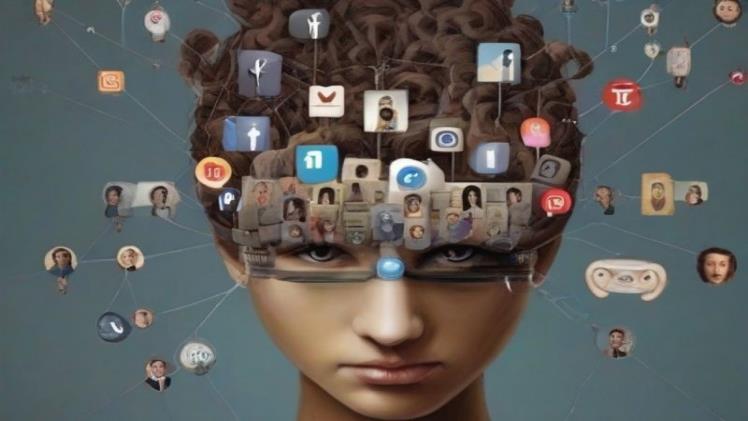
Social media has revolutionized the way people communicate, interact, and share information globally. From its humble beginnings as a platform for connecting friends and family to its current role as a powerful tool for businesses, activism, and entertainment, social media has profoundly impacted society. This article explores the evolution, influence, benefits, challenges, and future trends of social media in the modern world.
Evolution of Social Media
Social media platforms have evolved significantly since the early 2000s, when sites like MySpace and Friendster introduced the concept of online networking. The advent of Facebook in 2004 marked a turning point, expanding social media’s reach and functionality. Subsequently, platforms like Twitter (2006), Instagram (2010), and TikTok (2016) have emerged, each offering unique features and catering to different types of content and interactions.
Influence and Benefits of Social Media
Global Connectivity: Social media has connected people worldwide, transcending geographical boundaries and time zones. It enables instant communication and fosters relationships among individuals, communities, and organizations regardless of distance.
Information Sharing and Awareness: Social media serves as a powerful tool for sharing information and raising awareness about various issues. From breaking news to social movements, users can quickly disseminate information, organize events, and mobilize support on platforms like Twitter and Facebook.
Business and Marketing: Social media platforms have become indispensable for businesses of all sizes. They provide avenues for marketing products and services, engaging with customers, and building brand loyalty. Influencer marketing on platforms like Instagram and YouTube has also become a lucrative industry. Many influencers are reaching out to lawyers to help navigate brand deals and contracts now, as they have become more business savvy. You can click here to understand more about how these agencies can help influencers protect themselves and ensure they receive fair compensation.
Educational Opportunities: Social media facilitates learning and knowledge-sharing through educational content, webinars, and online courses. Platforms like LinkedIn offer professional networking opportunities and career development resources.
Challenges of Social Media
Privacy Concerns: Privacy issues, including data breaches and unauthorized access to personal information, are significant concerns on social media platforms. Users’ data privacy and security have become critical considerations for platform developers and policymakers.
Misinformation and Fake News: The rapid spread of misinformation and fake news poses a threat to public discourse and democracy. Social media algorithms that prioritize engagement can inadvertently amplify false information, leading to social division and mistrust.
Cyberbullying and Online Harassment: Social media platforms can be breeding grounds for cyberbullying, harassment, and hate speech. The anonymity and accessibility of online interactions can embolden individuals to engage in harmful behavior, affecting users’ mental health and well-being.
Digital Addiction and Mental Health: Excessive use of social media has been linked to digital addiction and negative impacts on mental health, including anxiety, depression, and low self-esteem. Constant comparison with curated online personas can contribute to feelings of inadequacy and isolation.
Future Trends in Social Media
Augmented Reality (AR) and Virtual Reality (VR): The integration of AR and VR technologies is expected to revolutionize social media experiences. Platforms may incorporate immersive content and interactive features that blur the line between physical and digital realities.
Ephemeral Content: The popularity of ephemeral content, such as Stories on Instagram and Snapchat, continues to grow. This trend emphasizes real-time, authentic interactions and encourages users to share fleeting moments without the pressure of permanent visibility.
AI and Personalization: Artificial intelligence (AI) algorithms will increasingly drive content personalization and user experience on social media platforms. AI-powered chatbots, content recommendations, and predictive analytics will enhance user engagement and satisfaction.
Regulatory Scrutiny and User Empowerment: Governments and regulatory bodies are scrutinizing social media platforms’ policies on content moderation, data privacy, and user safety. Greater transparency, user control over data, and ethical guidelines are likely to shape the future regulatory landscape.
Harnessing the Power of Social Media Responsibly
Critical Thinking and Media Literacy: Developing critical thinking skills and media literacy is essential for navigating social media responsibly. Users should verify information, consider diverse perspectives, and question the validity of sources before sharing content.
Privacy Settings and Security Measures: Protecting personal information and using privacy settings effectively can mitigate risks associated with social media use. Users should regularly review and update their privacy preferences to control who can access their data.
Mindful Engagement and Digital Well-being: Practicing mindful engagement involves setting boundaries, taking breaks from social media, and prioritizing offline activities to maintain digital well-being. Balancing screen time with face-to-face interactions and hobbies promotes overall mental and emotional health.
Conclusion
Social media has transformed communication, connectivity, and information dissemination in profound ways. While offering numerous benefits such as global connectivity, business opportunities, and educational resources, it also presents challenges like privacy concerns, misinformation, and mental health issues. By understanding these dynamics and embracing responsible use practices, individuals and society can harness the power of social media to foster positive change, connectivity, and meaningful interactions in the digital age.
