
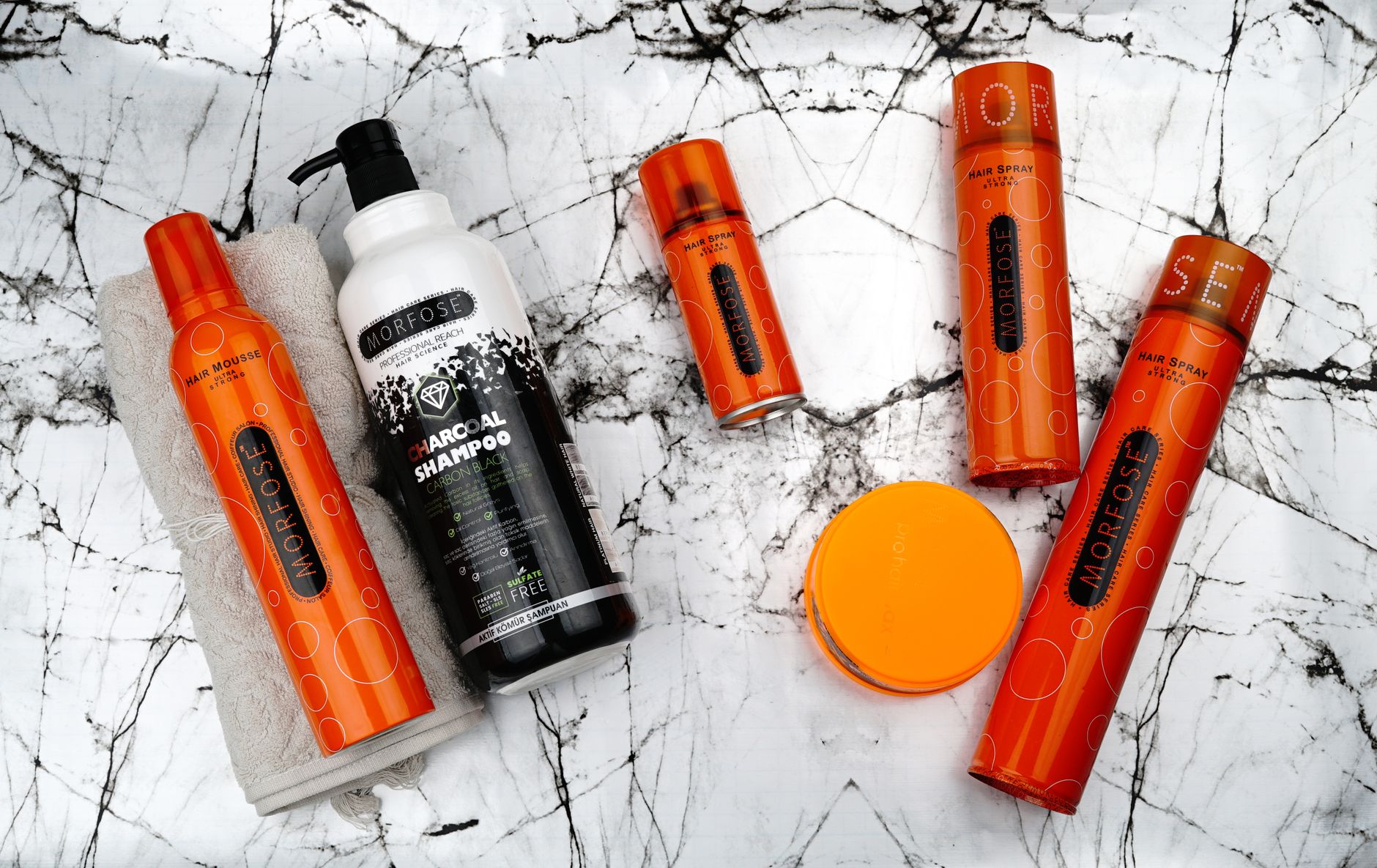
Charcoal has become a popular ingredient in beauty and personal-care products. From face masks and cleansers to shampoos and scalp treatments, activated charcoal which is often promoted as a deep-cleansing ingredient that totally helps remove impurities and excess oil.
But when it comes to hair care, one question which very often comes to mind is charcoal shampoo a friend or foe when it comes to hair fall?
The answer actually is neither completely positive nor negative.
A charcoal shampoo may be quite useful for people who struggle with an oily scalp or even product buildup. People who are feeling heavy at the roots can also use it. Charcoal itself is not a proven medical treatment for hair loss or hair regrowth concerns.
Understand that what a charcoal shampoo can actually do will ultimately help you decide whether it totally belongs in your hair-care routine.
What Is Charcoal Shampoo?
Charcoal shampoos typically power-packed with activated charcoal or a charcoal-derived ingredient alongside cleansing agents as well as other hair-care ingredients.
Activated charcoal is processed to create a highly porous material. It has surface properties which are commonly used in products designed to absorb or remove certain substances.
In the hair fall control shampoo, charcoal active is mainly used as a cleansing as well as scalp-care ingredient.
It is often ideal for people who experience all these:
- Oily scalp
- Product buildup
- Dirt and impurities
- Heavy or greasy roots
- Scalp that feels congested
- Hair that looks dull because of buildup
However, removing buildup from the scalp is very different from treating hair loss.
Can Charcoal Shampoo Stop Hair Fall?
There is currently no strong clinical evidence that actually shows that charcoal itself can totally stop hair loss or stimulate new hair growth.
This distinction is very crucial because many shampoos are marketed as anti-hair-fall or even hair-growth products.
Experts explain that hair-loss shampoos may help hair retain moisture, appear fuller or reduce breakage. They alone cannot regrow hair or prevent hair loss from worsening.
Therefore, a charcoal shampoo should not be considered a treatment for conditions such as female pattern hair loss or even other forms of progressive alopecia.
If you are experiencing actual hair loss then finding the underlying cause is much more important than simply changing shampoos in a random manner.
How Can Charcoal Shampoo Help the Scalp?
1. Helps Cleanse an Oily Scalp
People who have oily scalps may feel that their roots become greasy soon after washing in a thorough manner.
A suitable cleansing shampoo can totally help remove excess oil and leave the scalp feeling cleaner.
Charcoal-containing formulations are ideal for deep-cleansing products for this type of concern.
2. Helps Remove Product Buildup
Regular use of:
- Dry shampoo
- Hair sprays
- Styling creams
- Gels
- Oils
- Leave-in products
All these can contribute to buildup.
The best shampoo for hair fall may help remove accumulated residue.
3. Can Make Hair Feel Lighter
When excess oil as well as styling residue accumulate around the roots, hair can actually feel heavy and look flat.
Removing that buildup can totally make the hair feel fresher and appear more voluminous. This is a cosmetic improvement, not new hair growth.
How to Use Charcoal Shampoo Correctly
If the best anti hair fall shampoo suits your scalp, use it as directed on the product.
A simple routine is:
Step 1: Wet Your Hair
Thoroughly wet your scalp and hair
Step 2: Apply the Shampoo
Apply an appropriate amount mainly to the scalp
Step 3: Massage Gently
Use your fingertips to massage in circular motion
There is no need to scrub the scalp in an aggressive manner
Step 4: Rinse Thoroughly
Make sure the shampoo is completely removed from the hair and scalp
Step 5: Condition the Lengths
Apply conditioner to the mid-lengths and ends, especially if your hair is dry or even prone to tangling
Step 6: Dry Gently
Avoid vigorous towel rubbing and aggressive brushing
How Often Should You Use Charcoal Shampoo?
It depends on:
- Your scalp type
- How oily your scalp becomes
- How much styling product you use
- The formulation of the shampoo
- How your hair responds
Someone who has a very oily scalp may need more cleansing in a very frequent manner than someone with a dry scalp.
If your hair becomes dry, rough or even tangled which is right after using a charcoal shampoo then make sure to reduce the frequency or you can easily switch to a gentler formula.
When Is Charcoal Shampoo Not Enough?
If you are experiencing genuine hair loss then make sure not to keep changing shampoos without investigating the cause.
See a dermatologist if you notice all these:
- A widening part
- Progressive thinning
- Bald patches
- Sudden heavy shedding
- A receding hairline
- Persistent scalp inflammation
- Hair loss that continues for several months
Experts usually emphasize that effective hair-loss management begins with identifying the total underlying cause.
For example, hereditary hair loss may require a completely different approach from temporary shedding after illness or hair loss which is caused by damaging hairstyles.
Is Charcoal Shampoo Good for an Oily Scalp?
It can be. It totally depends on the formulation. If your scalp becomes oily quickly then a cleansing shampoo may make your hair feel fresher as well as easier to manage.
Using a shampoo that is too harsh or washing too in an aggressive manner can totally leave the hair dry and fragile. The total goal should be clean, comfortable scalp care, not stripping away every trace of oil.
Is Charcoal Shampoo a Friend or Foe?
So, is charcoal shampoo a friend or foe of hair fall? The overall answer is that it totally depends on what you truly expect from it.
As a cleansing product, charcoal shampoo can really be useful for an oily scalp, product buildup as well as hair that feels heavy at the roots.
But if you are buying it specifically to stop hair loss or regrow new hair then the evidence does not support making that promise at all.
Hair-loss shampoos may improve the appearance of hair, support scalp hygiene or even reduce breakage. They generally cannot address the underlying causes of progressive hair loss.
If your scalp is oily and buildup-prone then it may have a place in your routine. If your hair is genuinely thinning or shedding in an excessive manner then this is when you actually need to focus first on finding out why.
The right shampoo can totally support healthy hair care but understanding the cause of hair loss is what guides the right solution.
