

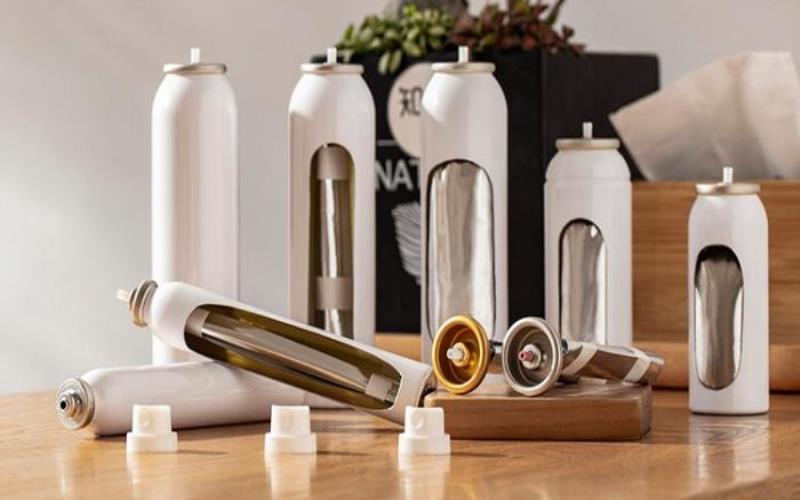
The global Bag-On-Valve (BOV) technology market, valued at USD 423.6 million in 2022, is projected to experience substantial growth, reaching approximately USD 545.8 million by 2030. This represents a compound annual growth rate (CAGR) of 3.22% during the forecast period from 2023 to 2030. 【source】This growth highlights a significant shift in the packaging industry as more companies recognize the advantages of BOV technology over traditional aerosol systems.
As the market for BOV technology expands, it’s crucial to understand why Bag-On-Valve systems are increasingly considered a superior choice compared to traditional aerosols. BOV technology offers several benefits, including better product purity, enhanced atomization, and greater convenience. This article explores these advantages in detail, explaining why BOV systems are transforming the packaging landscape and offering a more effective solution for a range of applications.
Enhanced Tightness and Sealing Efficiency with Bag-On-Valve Systems
When comparing Bag-On-Valve (BOV) systems with traditional aerosol cans, one of the most significant advantages of BOV technology is its superior sealing capability. Aerosol cans often suffer from poor sealing, which can lead to leaks and exposure of the product to external elements. In contrast, BOV systems incorporate a sealed pouch within the can, ensuring that the product remains isolated from the propellant and the external environment. This enhanced sealing preserves the integrity of the product and prevents contamination, which is crucial for maintaining product quality and effectiveness.
Superior Product Purity: Avoiding Contamination with Bag-On-Valve Technology
Traditional aerosol cans typically mix propellants directly with the product, which can compromise the purity of the ingredients. The propellants, often hydrocarbons, can interact with the product, potentially affecting its quality. Bag-On-Valve technology, however, separates the product from the propellant by using a bag within the can. This separation ensures that the product remains pure and free from contamination, as it is not exposed to the propellant. The result is a more effective and high-quality product that maintains its intended benefits throughout its use.
Improved Atomization and Dispensing Precision with Bag-On-Valve Systems
Atomization is a critical factor in the performance of spray products. Aerosol cans often suffer from poor atomization due to the direct mixing of propellants and ingredients, leading to uneven spray patterns and less effective application. Bag-On-Valve systems provide superior atomization because the propellant is delivered through a separate channel, allowing for a more controlled and consistent spray. This results in a finer mist and more precise application, enhancing the overall effectiveness of the product.
Greater Convenience and User-Friendly Operation with Bag-On-Valve Technology
Convenience is a key consideration for many consumers, and Bag-On-Valve technology offers notable improvements over traditional aerosol systems. Aerosol cans can leave sediment and require shaking before use, which can be inconvenient. Additionally, they often need to be pressed multiple times to dispense the product effectively. Bag-On-Valve systems, on the other hand, eliminate these issues by providing a consistent and easy-to-use dispensing mechanism without the need for shaking or multiple presses. This ensures a hassle-free experience for the user.
Flexible Use Angles and Accessibility with Bag-On-Valve Systems
Traditional aerosol cans often struggle with dispensing when held at certain angles, such as upside down. This limitation can be frustrating for users who need to apply the product in hard-to-reach areas. Bag-On-Valve systems, however, are designed to work effectively at any angle, including upside down. This flexibility allows users to apply the product more easily and accurately, making BOV technology a more versatile choice for various applications.
Efficient Utilization and Reduced Waste with Bag-On-Valve Technology
Traditional aerosol cans can leave behind residue and result in wasted product, leading to inefficiency and higher costs over time. Bag-On-Valve systems are designed to minimize residue and maximize utilization, ensuring that nearly all of the product is dispensed. The separation of the product from the propellant means that the product is used more efficiently, reducing waste and making the BOV system a more cost-effective option in the long run.
Quieter Operation and Reduced Noise with Bag-On-Valve Systems
The sound produced by aerosol cans during use, often described as a hissing sound, can be a drawback for some users. This noise can be disruptive and undesirable, particularly in quiet environments. Bag-On-Valve systems generally operate more quietly, as the technology involves a controlled release of the product without the hissing sound associated with traditional aerosol cans. This quieter operation can contribute to a more pleasant user experience.
Environmental and Safety Benefits: Non-Flammable Propellants with Bag-On-Valve Technology
Environmental and safety concerns are increasingly important considerations for consumers. Traditional aerosol cans often use flammable propellants that are discharged into the environment, posing safety risks. Bag-On-Valve technology addresses these concerns by using air or nitrogen as propellants, which are less harmful and non-flammable. This makes BOV systems a safer and more environmentally friendly choice, aligning with modern sustainability standards.
Use of Non-Hydrocarbon Propellants: Healthier Alternatives in Bag-On-Valve Systems
Traditional aerosol cans typically use hydrocarbons as propellants, which can have environmental and health implications. Bag-On-Valve systems utilize air or nitrogen as propellants, avoiding the use of potentially harmful hydrocarbons. This not only makes BOV systems safer for consumers but also reduces their environmental impact, supporting a more sustainable approach to packaging.
Cost Considerations: Evaluating the Long-Term Value of Bag-On-Valve Technology
While traditional aerosol cans may be cheaper in terms of initial cost, they often come with hidden costs related to product waste and inefficiency. Bag-On-Valve systems may have a higher upfront price, but their advantages in terms of product purity, efficient utilization, and environmental safety provide better overall value. Investing in BOV technology can lead to long-term savings and benefits, making it a superior choice for many applications.
Separation of Ingredients and Propellants: Enhancing Quality with Bag-On-Valve Technology
The filling process for traditional aerosol cans involves mixing ingredients with propellants, which can affect the product’s quality. Bag-On-Valve systems, however, fill the product and propellants separately, ensuring that each component maintains its integrity. This separation during the filling process leads to a higher-quality product and more consistent performance throughout its use.
Conclusion
This article delves into Bag on Valve (BOV) systems. As a prominent player in the BOV sector, we provide a range of empty BOV containers in sizes such as 30ml, 50ml, 80ml, 100ml, 150ml, 180ml, 300ml, and 500ml. We also offer complete sets of aluminum cans and actuators. For clients requiring filling services, we offer OEM options, with the flexibility to use our existing formulations or create new ones based on your specific needs.
Our company features a state-of-the-art Automatic Production Line, which ensures both high efficiency and consistency in our manufacturing processes. We conduct rigorous 24-hour BOV leak tests to uphold the highest quality standards, in accordance with FDA and LFGB regulations. Our products are manufactured in a GMP-certified facility, guaranteeing a safe and clean production environment. With 20 years of expertise in BOV production and a 30-day delivery window, we encourage you to reach out to us for comprehensive details on our Bag on Valve packaging solutions.
