

Introduction
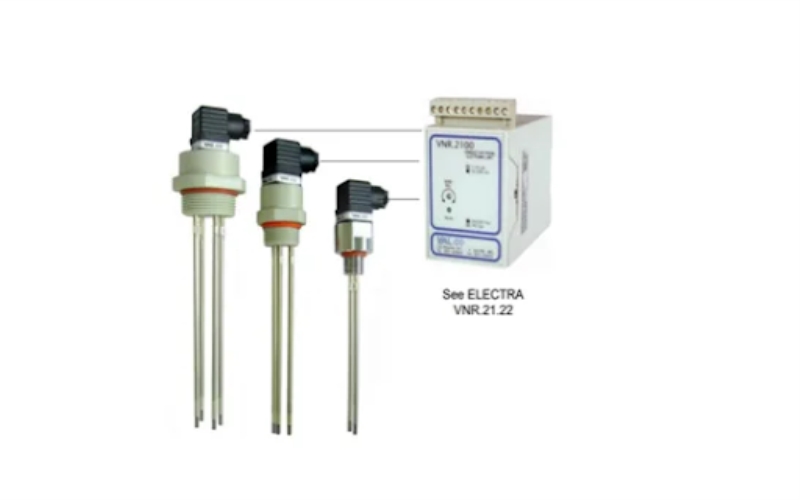
Ultrasonic tank level sensors are sophisticated devices used to measure the level of liquids and solids within a tank. These sensors are widely utilised in various industries, including water treatment, chemical processing, food and beverage, and oil and gas. They offer a non-contact method for level measurement, providing accurate and reliable readings. This article delves into the working principles, types, applications, benefits, and considerations of using ultrasonic tank-level sensors.
Working Principle
Ultrasonic tank level sensors operate on the principle of sound wave reflection. The sensor emits ultrasonic pulses towards the surface of the liquid or solid in the tank. These pulses travel through the air, hit the surface, and reflect to the sensor. The sensor then measures the time taken for the pulse to return, which is directly proportional to the distance between the sensor and the surface. Using this time-of-flight measurement, the sensor calculates the level of the substance in the tank. Visit the link for more information: https://au.rs-online.com/web/c/automation-control-gear/sensors/level-sensors/
Types of Ultrasonic Tank Level Sensors
There are several types of ultrasonic tank-level sensors, each designed for specific applications and environments:
Continuous Level Sensors
Continuous ultrasonic level sensors provide real-time measurement of the level of the substance in the tank. These sensors offer a continuous output signal that correlates with the level, allowing for precise monitoring and control. They are ideal for applications where constant level monitoring is required.
Point Level Sensors
Point-level ultrasonic sensors, also known as single-point or multi-point sensors, detect the presence or absence of a substance at a specific level within the tank. These sensors are used for high and low-level detection, ensuring that the tank does not overfill or run dry. Point-level sensors are typically used in conjunction with other level measurement systems for added safety and reliability.
Submersible Sensors
Submersible ultrasonic level sensors are designed to be submerged in the liquid being measured. These sensors are encased in waterproof housings and are ideal for applications involving corrosive or hazardous liquids. Submersible sensors provide accurate measurements even in challenging environments.
Applications of Ultrasonic Tank Level Sensors
Ultrasonic tank level sensors are used in a wide range of industries and applications, including:
Water and Wastewater Treatment
In water and wastewater treatment facilities, ultrasonic level sensors are used to monitor the levels of water, sludge, and chemicals in various tanks and reservoirs. Accurate level measurement is crucial for process control, ensuring efficient operation and compliance with environmental regulations.
Chemical Processing
Chemical processing industries use ultrasonic-level sensors to measure the levels of various chemicals and reagents in storage and processing tanks. The non-contact nature of ultrasonic sensors is particularly beneficial for measuring corrosive or hazardous substances, minimising the risk of contamination and ensuring operator safety.
Food and Beverage Industry
In the food and beverage industry, ultrasonic level sensors are used to monitor the levels of liquids, such as milk, juice, and syrups, in storage tanks and process vessels. The sensors help maintain consistent product quality and optimise production processes by providing accurate and reliable level measurements.
Oil and Gas Industry
The oil and gas industry employs ultrasonic level sensors to measure the levels of crude oil, refined products, and other fluids in storage tanks and pipelines. These sensors help ensure efficient inventory management, prevent overflows and spills, and comply with industry regulations.
Pharmaceutical Industry
Ultrasonic level sensors are used in the pharmaceutical industry to monitor the levels of various liquids and powders in production and storage tanks. Accurate level measurement is essential for maintaining product quality, ensuring precise dosing, and optimising manufacturing processes.
Benefits of Ultrasonic Tank Level Sensors
Ultrasonic tank-level sensors offer numerous benefits, including:
Non-Contact Measurement
The non-contact nature of ultrasonic level sensors eliminates the risk of contamination and reduces wear and tear on the sensor, ensuring long-term reliability and accuracy.
Versatility
Ultrasonic level sensors can measure a wide range of liquids and solids, making them suitable for various applications across different industries. They can be used in both open and closed tanks, providing installation flexibility.
High Accuracy
Ultrasonic level sensors provide high-precision measurements, ensuring accurate monitoring and control of tank levels. This accuracy is crucial for maintaining process efficiency and product quality.
Ease of Installation and Maintenance
Ultrasonic-level sensors are easy to install and require minimal maintenance. The sensors do not come into contact with the substance being measured, reducing the need for regular cleaning and calibration.
Cost-Effectiveness
The durability and reliability of ultrasonic-level sensors result in lower maintenance and replacement costs over time. Their ability to provide accurate measurements helps optimise processes, leading to cost savings in the long run.

Considerations for Using Ultrasonic Tank Level Sensors
When selecting and using ultrasonic tank-level sensors, several factors should be considered to ensure optimal performance:
Tank Material and Shape
The material and shape of the tank can affect the performance of ultrasonic-level sensors. Reflective surfaces, such as metal, can cause signal interference, while irregular tank shapes can lead to inaccurate measurements. It is important to choose a sensor compatible with the specific tank characteristics.
Substance Characteristics
The physical properties of the substance being measured, such as density, viscosity, and temperature, can impact the accuracy of ultrasonic level sensors. For example, substances with high vapour pressure or foam can interfere with the ultrasonic signal. Selecting a sensor designed for the specific substance is crucial for accurate measurements.
Environmental Conditions
Environmental factors, such as temperature, humidity, and pressure, can affect the performance of ultrasonic-level sensors. It is important to choose a sensor that can withstand the specific environmental conditions of the application.
Mounting and Positioning
Proper mounting and positioning of the ultrasonic level sensor are essential for accurate measurements. The sensor should be installed at a location that provides a clear, unobstructed path for the ultrasonic signal. Proper alignment and calibration are also important to ensure accurate readings.
Integration with Control Systems
Ultrasonic-level sensors should be compatible with existing control systems and communication protocols. Ensuring seamless integration allows for efficient monitoring and control of tank levels, enhancing overall process efficiency.
Conclusion
Ultrasonic tank level sensors are vital tools in modern industrial processes, offering accurate and reliable level measurements for a wide range of applications. Their non-contact measurement, versatility, high accuracy, ease of installation and maintenance, and cost-effectiveness make them a preferred choice in various industries. By considering factors such as tank material, substance characteristics, environmental conditions, and integration with control systems, users can select the appropriate ultrasonic level sensor to optimise their operations and ensure efficient and safe process control.
