

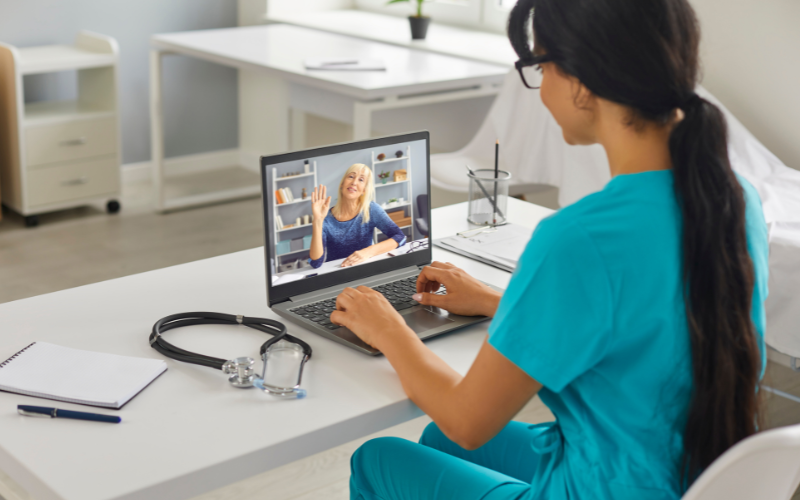
In the healthcare industry, the seamless operation of IT systems is critical. Medical facilities rely heavily on technology for patient care, data management, and operational efficiency. Outsourcing IT support can address numerous challenges, ensuring healthcare providers can focus on their primary mission—delivering high-quality patient care. This article explores nine key issues an outsourced IT support provider can solve in your health setting, enhancing productivity, security, and patient outcomes.
1. Enhancing Data Security and Compliance
Healthcare organizations handle vast amounts of sensitive patient data. Ensuring the security and compliance of this data is paramount. An outsourced IT support provider offers expertise in safeguarding information against breaches and ensuring compliance with regulations like HIPAA.
Key Solutions:
- Advanced Encryption: Implementing robust encryption methods to protect patient data.
- Regular Audits: Conducting frequent security audits to identify and mitigate vulnerabilities.
- Compliance Training: Providing staff training on regulatory requirements and best practices in data handling.
2. Reducing Downtime and Improving System Reliability
System downtime in healthcare can lead to significant disruptions, affecting patient care and operational efficiency. Outsourced IT support ensures that your systems remain operational and reliable.
Key Solutions:
- 24/7 Monitoring: Continuous monitoring of systems to detect and resolve issues promptly.
- Redundant Systems: Implementing redundant systems and backup solutions to minimize downtime.
- Proactive Maintenance: Regular maintenance schedules to prevent potential system failures.
3. Streamlining EHR and EMR Management
Electronic Health Records (EHR) and Electronic Medical Records (EMR) are integral to modern healthcare. Effective management of these systems is crucial for accurate and efficient patient care.
Key Solutions:
- System Integration: Ensuring seamless EHR/EMR systems integration with other healthcare applications.
- User Training: Providing comprehensive training for healthcare staff to utilize EHR/EMR systems effectively.
- Data Migration: Assisting with the migration of data from legacy systems to new platforms.
4. Managing Medical Device Integration
The integration of medical devices with IT systems can be complex, but it is essential for accurate data collection and patient monitoring. Outsourced IT support providers have the expertise to manage this integration efficiently.
Key Solutions:
- Device Connectivity: Ensuring that medical devices are correctly connected to IT systems.
- Real-time Data Monitoring: Implementing systems for real-time monitoring and analysis of data from medical devices.
- Troubleshooting: Providing rapid troubleshooting and support for any issues that arise with device integration.
5. Providing Scalable IT Solutions
As healthcare facilities grow, their IT needs evolve. An outsourced IT support provider can offer scalable solutions to accommodate this growth, ensuring that IT infrastructure can handle increased demands.
Key Solutions:
- Flexible Infrastructure: Implementing a scalable IT infrastructure that can grow with your facility.
- Cloud Services: Leveraging cloud-based solutions to provide flexible and scalable storage and processing capabilities.
- Resource Optimization: Ensuring efficient use of IT resources to support growth without unnecessary costs.
6. Enhancing Communication Systems
Effective communication is vital in healthcare settings. Outsourced IT support can optimize communication systems, ensuring that staff can collaborate effectively and respond to patient needs promptly.
Key Solutions:
- Unified Communication Platforms: Implementing platforms that integrate voice, video, and messaging services.
- Secure Messaging: Ensuring that all communication is secure and compliant with privacy regulations.
- Telehealth Support: Providing IT support for telehealth services, enabling remote consultations and patient care.
7. Supporting Telemedicine Initiatives
Telemedicine has become increasingly important in healthcare, especially in remote and underserved areas. An outsourced IT support provider can ensure that telemedicine systems are reliable and effective.
Key Solutions:
- Video Conferencing Solutions: Implementing robust and secure video conferencing systems for remote consultations.
- Remote Monitoring: Providing IT support for remote patient monitoring systems.
- Technical Support: Offering technical support to both healthcare providers and patients using telemedicine services.
8. Optimizing Workflow and Efficiency
Efficient workflows are crucial for healthcare providers to deliver timely and effective patient care. Outsourced IT support can help streamline processes and optimize workflows through advanced IT solutions.
Key Solutions:
- Workflow Automation: Implementing automation tools to reduce manual tasks and increase efficiency.
- Integrated Systems: Ensuring that all IT systems work seamlessly together to support streamlined workflows.
- Data Analytics: Leveraging data analytics to identify bottlenecks and optimize processes.
9. Providing Specialized IT Expertise
Healthcare IT requires specialized knowledge and expertise. Outsourced IT support providers bring a wealth of experience and specialized skills to manage complex healthcare IT systems.
Key Solutions:
- Specialized Knowledge: Access to IT professionals with expertise in healthcare technologies and regulations.
- Continuous Learning: Keeping up with the latest trends and advancements in healthcare IT.
- Strategic Planning: Providing strategic IT planning and consulting services to align IT infrastructure with your facility’s goals.
Conclusion
Outsourcing IT support offers numerous benefits for healthcare settings, from enhancing data security and reducing downtime to streamlining EHR management and supporting telemedicine initiatives.
By addressing these critical issues, an outsourced IT support provider enables healthcare facilities to focus on delivering high-quality patient care. Investing in robust and specialized IT support that learn more everyday is essential for the efficient and secure operation of modern healthcare organizations. Ensure that your health setting is equipped with the best IT solutions to improve patient outcomes and stay ahead in the ever-evolving healthcare landscape.
