

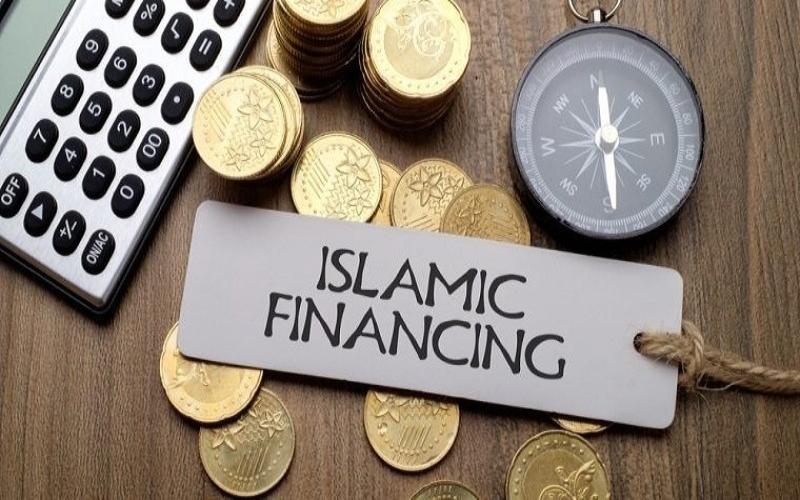
Sharia-compliant Halal finance services operate under specific Islamic principles that differentiate them from conventional financial systems. These technicalities ensure that financial transactions and products align with Islamic law, providing Muslims with ethical alternatives for banking, investing, and financing. Understanding these key aspects is crucial for anyone considering or using Halal finance services. This guide outlines five important technicalities that form the foundation of Sharia-Compliant Halal Finance Services, helping you navigate this unique financial landscape with confidence.
- Prohibition of Interest (Riba)
The most fundamental principle of Halal finance is the prohibition of interest, known as riba in Arabic. Islamic law considers the charging or paying of interest as exploitative and unjust. Instead of interest-based loans, Halal finance services use alternative structures to generate profit. These may include profit-sharing arrangements, lease-to-own agreements, or cost-plus financing. For example, in a home financing scenario, rather than lending money with interest, an Islamic bank might purchase the property and sell it to the client at a marked-up price, payable in installments. This structure allows the bank to make a profit while avoiding interest charges.
- Risk-Sharing Principle
Halal finance emphasizes the concept of risk-sharing between the financial institution and the client. This principle is based on the Islamic idea that profit and loss should be shared fairly among parties in a financial transaction. Unlike conventional banking where the lender typically bears minimal risk, Islamic finance often involves partnerships where both parties share the risks and rewards of an investment or business venture. This approach is seen in products like Musharaka (partnership) financing, where the bank and client jointly own an asset and share profits according to a pre-agreed ratio, as well as any losses proportional to their investment.
- Asset-Backed Transactions
Sharia-compliant finance requires that financial transactions be backed by tangible assets or economic activities. This principle aims to maintain a strong link between the financial sector and the real economy, preventing speculative practices. In Halal finance, money is viewed as a medium of exchange rather than a commodity itself. For instance, in Islamic mortgages, the bank typically purchases the property and then leases or sells it to the client. This ensures that the transaction is based on a real asset, distinguishing it from conventional loans where money is lent directly.
- Ethical Investment Screening
Halal finance services employ strict ethical screening processes for investments and business activities. This screening ensures that funds are not invested in industries or practices considered haram (forbidden) in Islam. Typically, investments in businesses involved with alcohol, pork products, gambling, pornography, or conventional financial services are avoided. Additionally, companies with excessive debt levels may also be excluded, as high leverage is often associated with interest-bearing loans. This ethical screening extends to financial products, ensuring that all offerings, from savings accounts to investment funds, comply with Islamic principles.
- Contractual Certainty and Transparency
Islamic finance places great emphasis on contractual certainty and transparency to avoid gharar (uncertainty or ambiguity) in transactions. All parties involved in a financial agreement must have clear knowledge of the terms and conditions to prevent any potential disputes or misunderstandings. This principle manifests in detailed contracts that specify the roles, responsibilities, and rights of each party. For example, in a Murabaha (cost-plus) financing agreement, the cost price, markup, and payment schedule are clearly stated upfront. This transparency is crucial in ensuring that all transactions are fair and comply with Sharia principles, providing clarity and confidence to all parties involved.
